
Introduction

The Spongebob Squarepants Movie (2004) is a film I adore dearly. I watched it in theaters with my family and we all enjoyed it, even my parents who never watched Spongebob before. However, during some recent research I was doing with the aspects of Western films and how to make Westerns, I discovered something: The Spongebob movie is secretly a western film.
It doesn’t have cowboys and outlaws and everything you would expect from a western, but with all the aspects and conventions of a Western film in mind, it all fits within the scenes of the movie. I think that once I explain myself through how a western genre film is made, by the end of this post you too will realize that it’s part of the Western genre.
For reference, I will be using the website https://storygrid.com/western-genre/ written by Rachelle Ramirez to help explain how the Western genre is made. I personally think it’s the best site to help because it makes every aspect of a Western easy to understand with helpful numbered points.
What is the Western Genre?
Ramirez put it best when she cited Shawn Coyne, “The Western story concerns the role of the individual in a mass society.” Westerns were created to show a changing society and the individual’s role in it. This is shown very well in the video game Red Dead Redemption II (2018), in where the protagonist is a part of one of the last outlaw gangs, and the new ideals and technology of society is slowly creeping up on them, threatening to tear away the only way of living they know how.
Many Western films have the protagonist as a hero and fighting against a lawless world, or a character trying to survive a changing world. Westerns depict the protagonist fighting for freedom. Freedom from what or for who? That depends on the story they’re trying to tell. I think the Spongebob movie fits into the latter form of Western genre storytelling.
Conventions of a Western film
I don’t think I’m going to put the entire plot of the Spongebob movie on here because I’m going to assume that the reason you’re reading this is because you’ve seen the movie. If that’s not the case, I suggest that you go see the movie because it’s really good and funny, plus I will be mentioning a lot of spoilers in here and I don’t know if you’d want an animated movie from 2004 to be ruined for you.
The conventions in a Western genre are usually pretty straightforward, and The Spongebob Squarepants Movie follows them extremely well. I’m going to list out Ramirez’s Western conventions in the order she puts them, and explain how the movie matches with them.
1. The protagonist is up against life and death stakes.
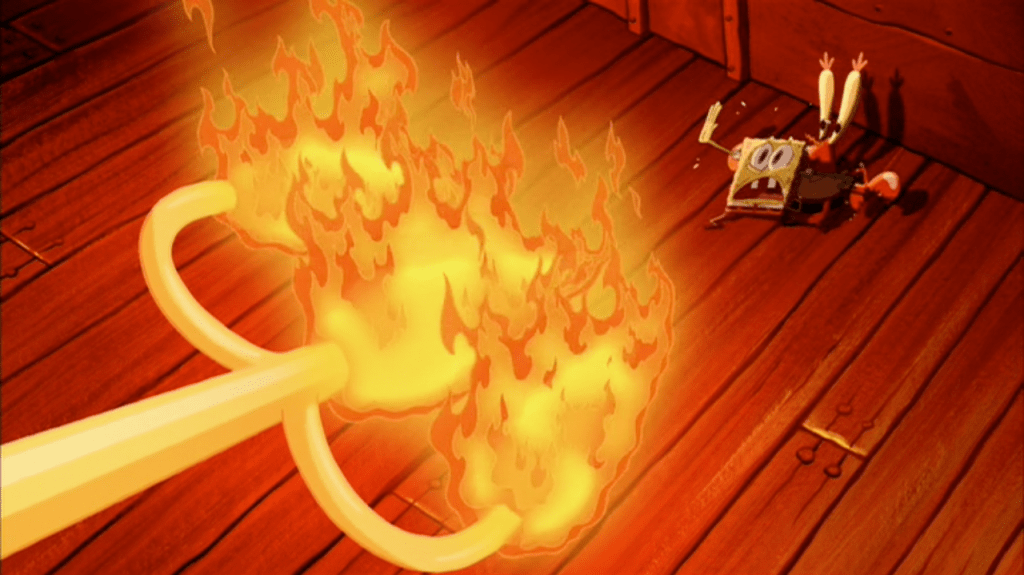
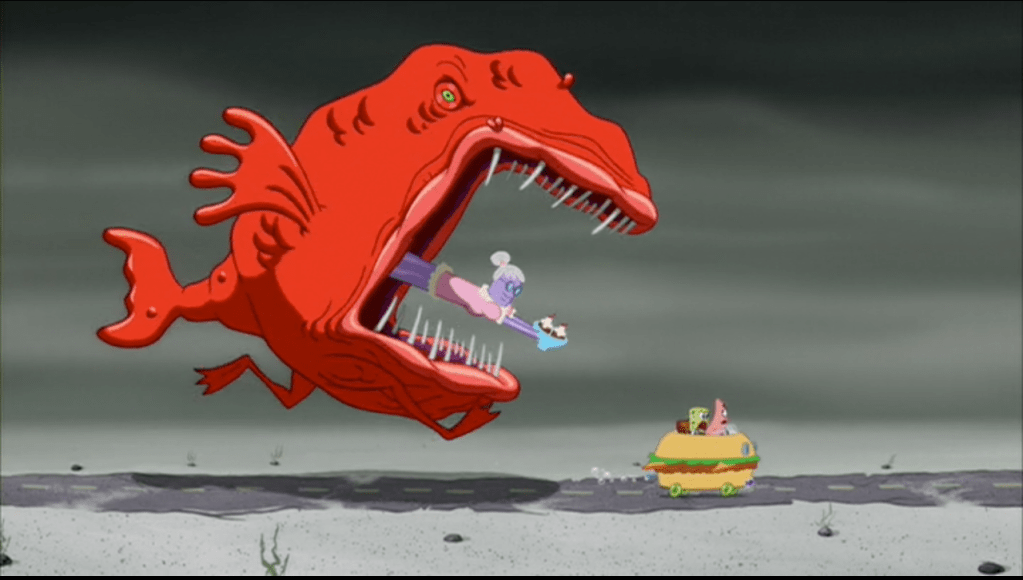
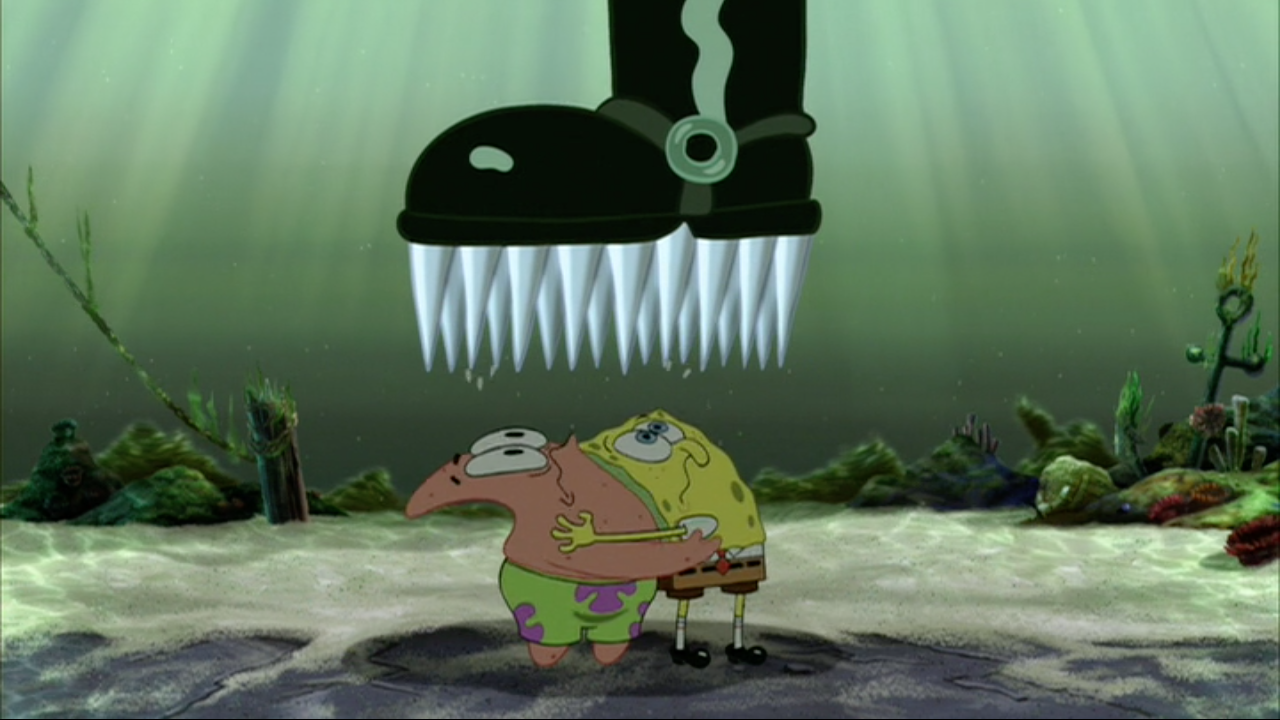

The protagonist, Spongebob, is certainly up against life and death stakes in the film. He is required to get King Neptune’s crown back from the “forbidden Shell City”, and could possibly die on the way getting there. And on top of that, he’s also up against his boss, Mr. Krabs, dying if he does not succeed on his mission. Technically, they did die when they reached Shell City, but their tears short circuited the electric outlet and activated the fire suppression system, bringing them back to life.
2. The harsh, hostile, and wide-open landscape is a character in the story.
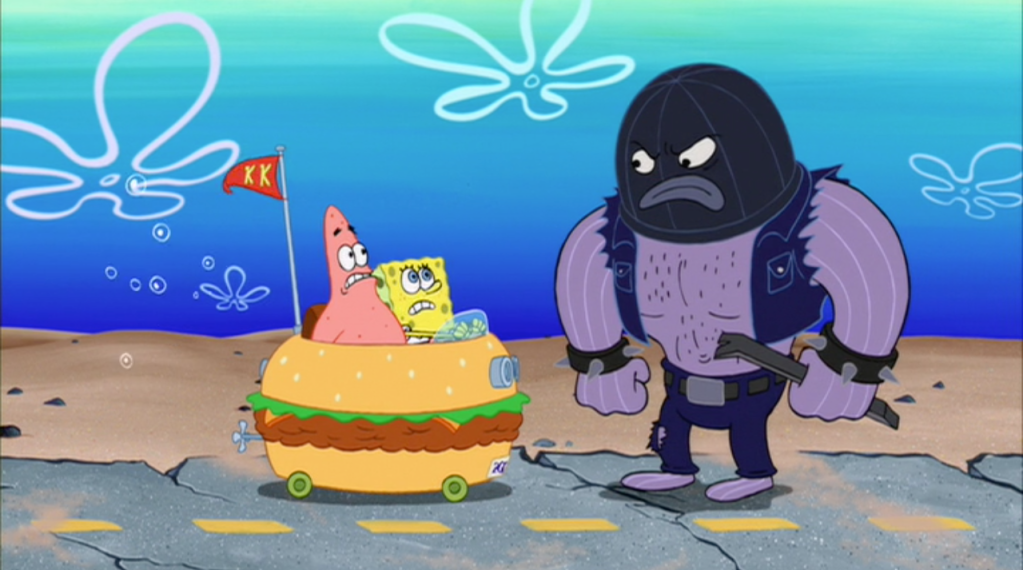
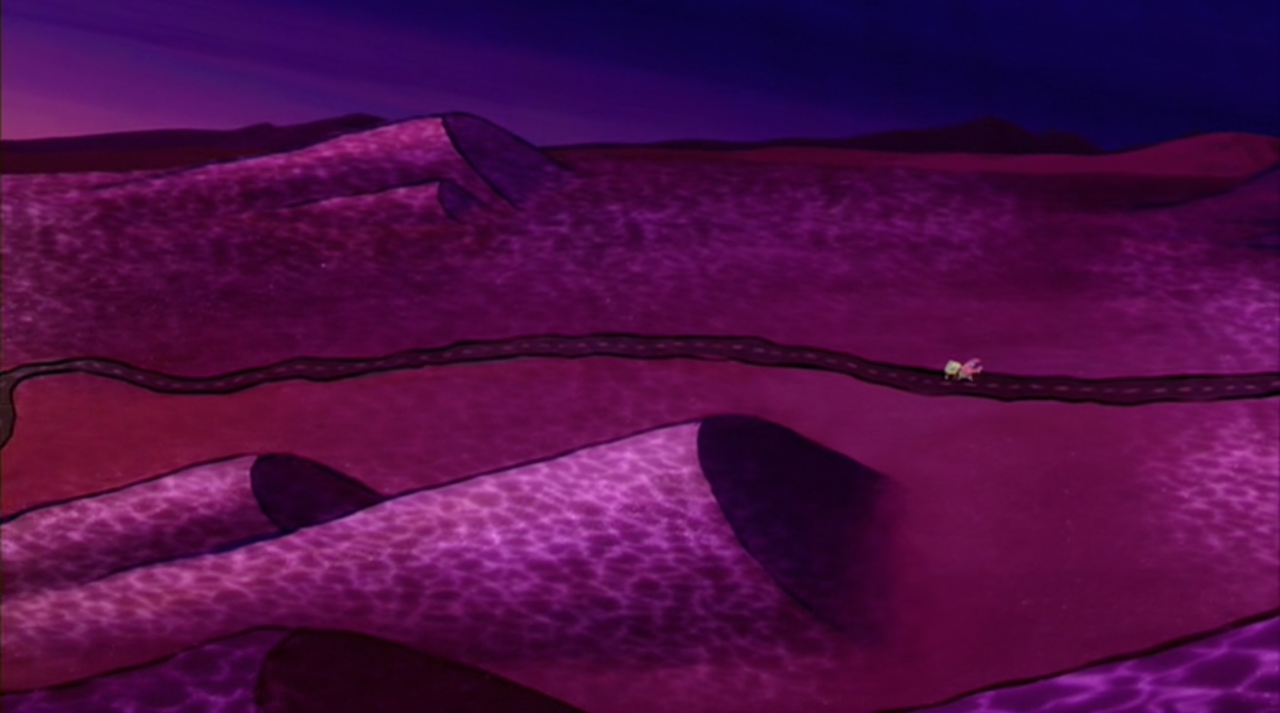
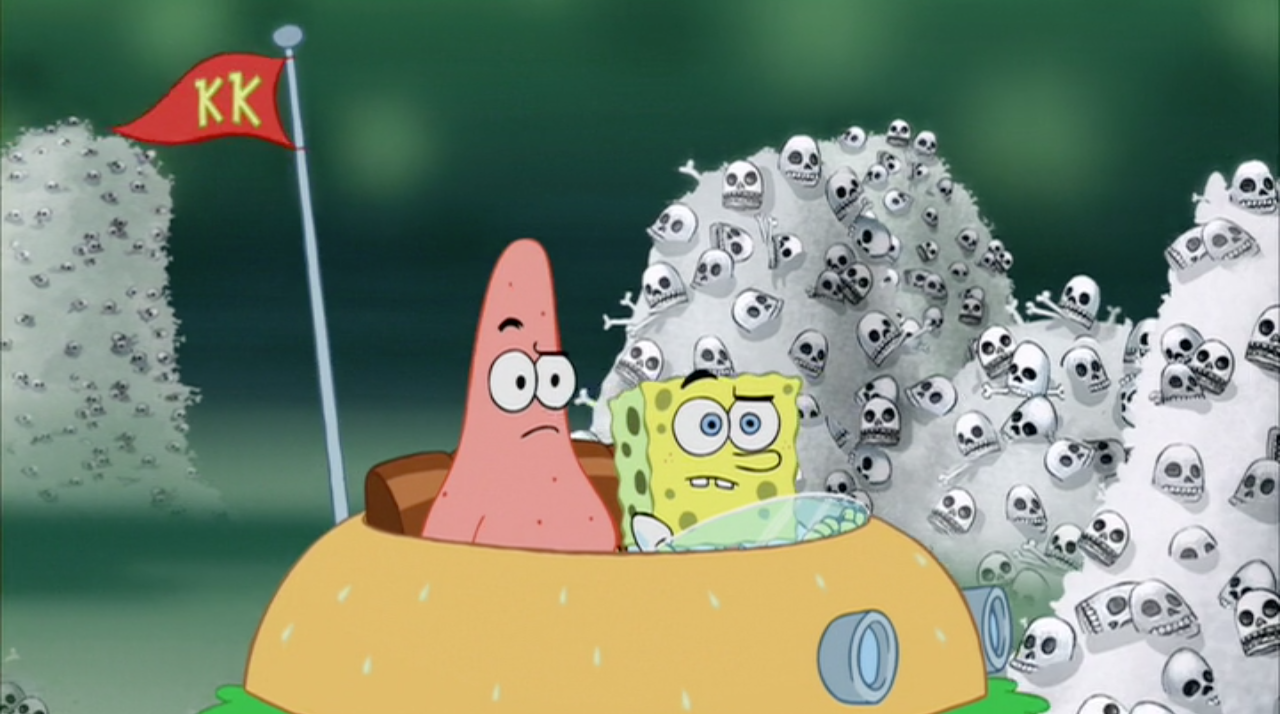
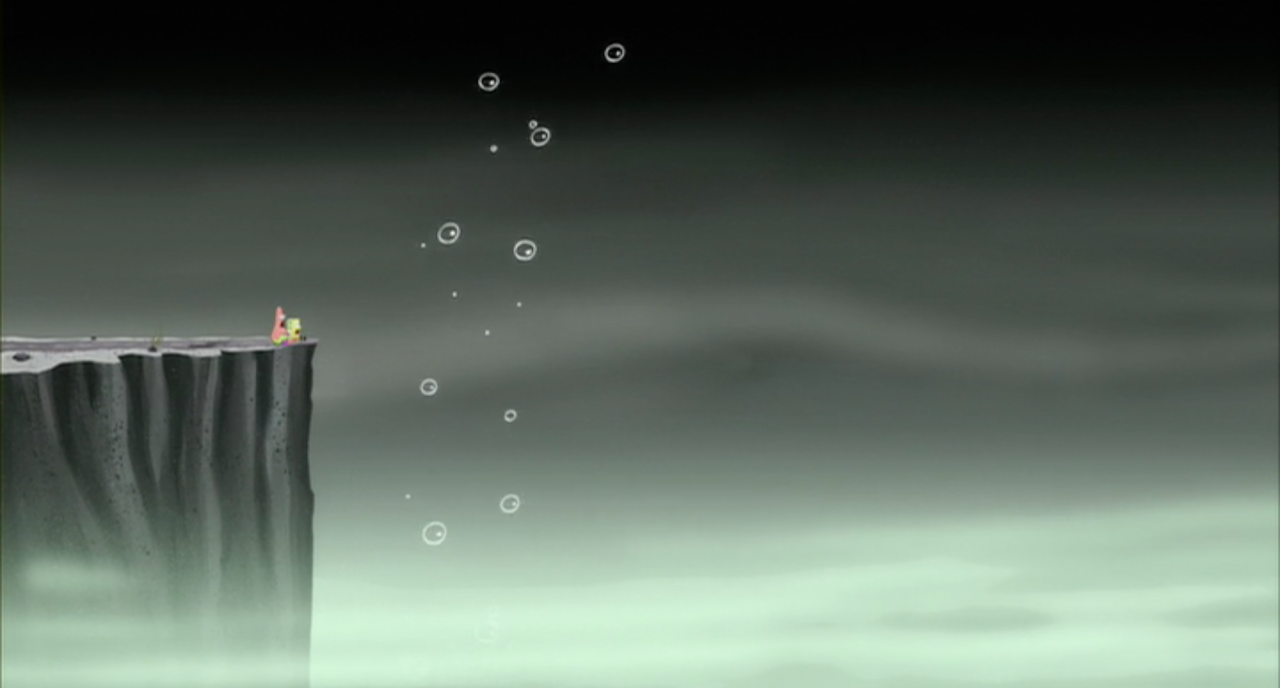

This genre convention is probably the most important for a Western. Westerns have a lot of Man vs Nature and Man vs Society, and often they blend into the same thing. I think the film follows this characteristic very well.
The idea where the wild, open land as a character fits in the Spongebob movie by attacking the characters every step of the way to Shell City. Even the two gas station attendees mention it by stating “You two dipsticks ain’t gonna last 10 seconds over the county line!” They lasted 12 seconds before a big tough guy stole their car.
Other moments of the harsh, hostile, and wide open landscape being a trouble for our heroes was when a frogfish pretended to be a sweet old lady selling ice cream, and then the frogfish revealed itself as it attempted to eat Spongebob and Patrick, chasing them for miles until they had to drive the car off a cliff.
Moments like these, and others not mentioned in the film all show how harsh and dangerous the environment is outside the civilization of Bikini Bottom.
3. Hero, Victim, Villain: These three roles are clearly defined throughout the story.
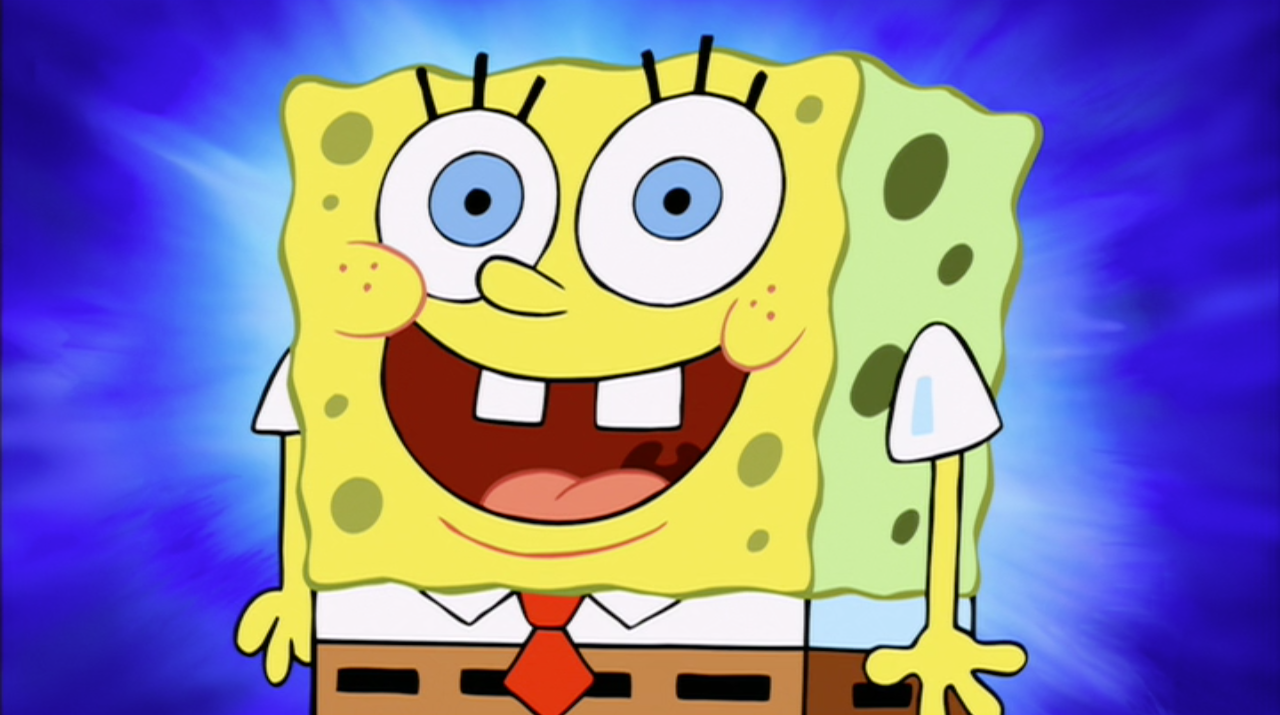
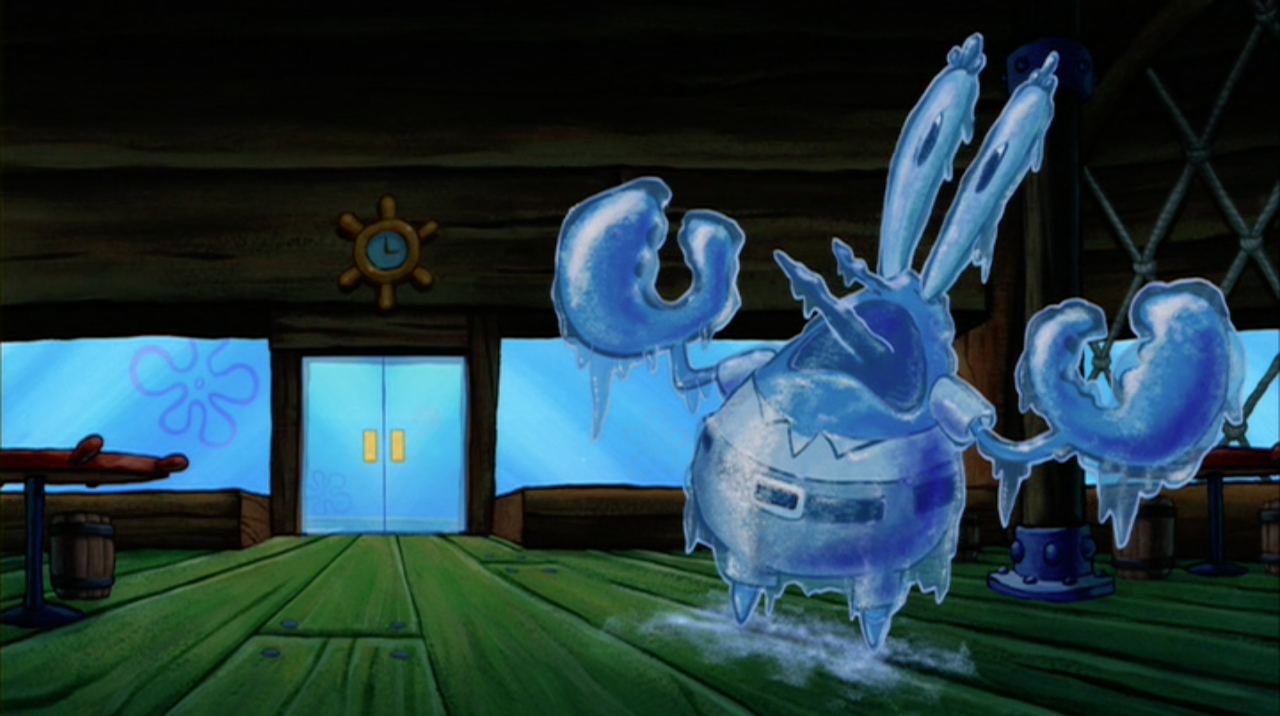
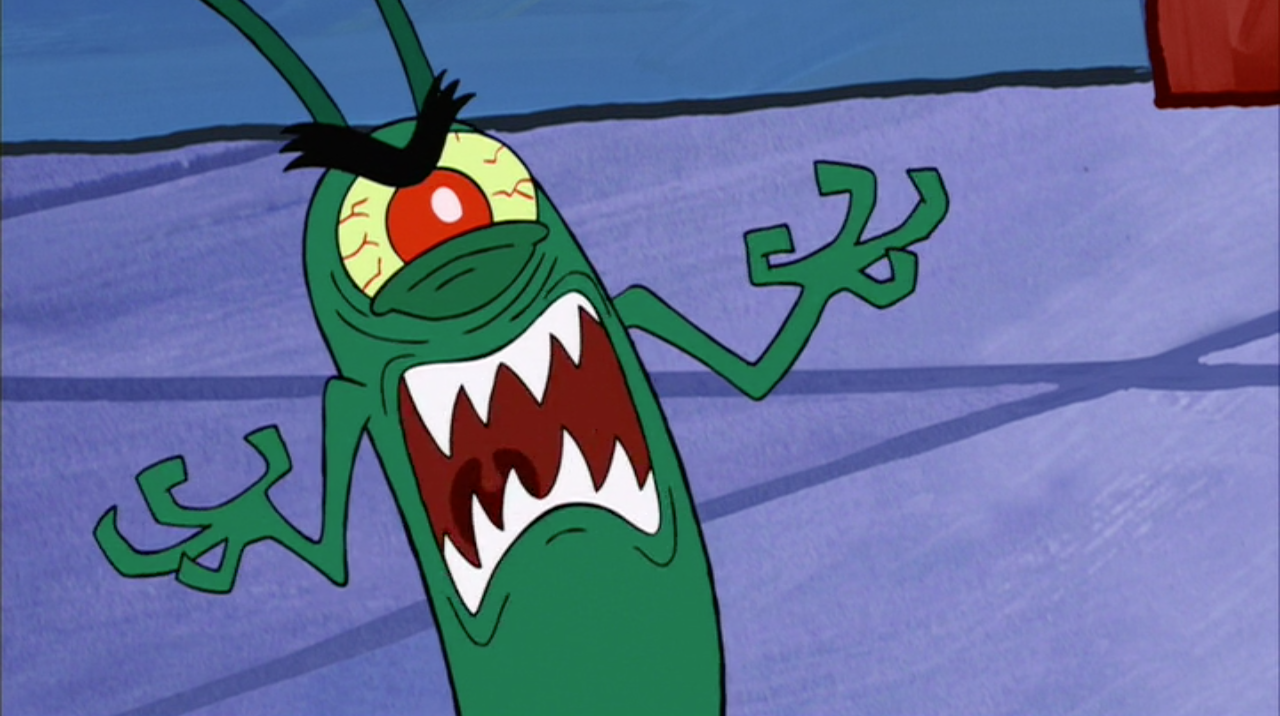
In the order of Hero, Victim, and Villain, those roles are given to Spongebob, Mr Krabs, and Plankton. In most cases with the Spongebob television show, Spongebob is usually the hero and Plankton is usually the villain. However, as far as I can remember, Mr Krabs was never a victim before this movie and never needed to be saved by Spongebob. I could be remembering wrong, but to me this added role of Mr Krabs as the victim further reinforces the idea that this is a Western film.
4. The protagonist’s object of desire is to stop the antagonist and save the victim.
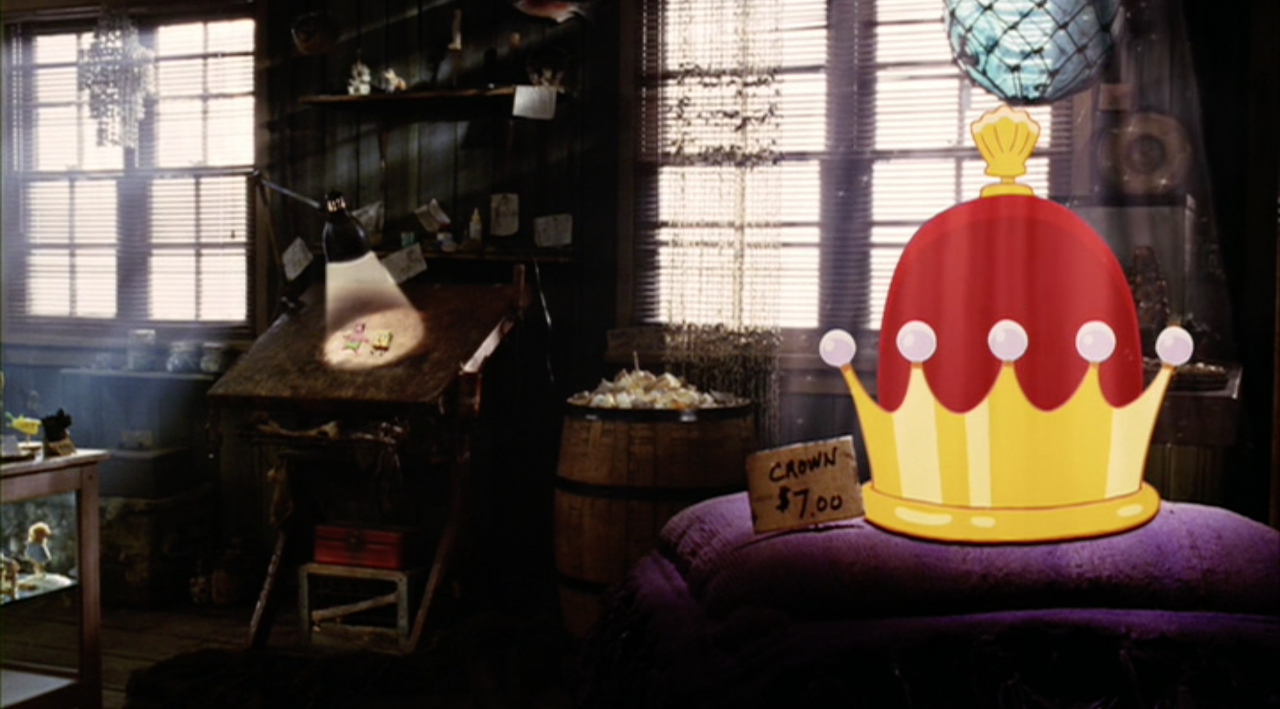
5. The protagonist operates outside the law (selectively or as a matter of course).
I personally don’t see this one fitting in the film. Mostly because it’s a kids movie and the “law” of King Neptune is what they’re following. You could argue that them going on this quest is them operating outside the law because the King’s daughter works secretly behind his back to help Spongebob, but I don’t know if that’s too much a stretch or not.
By the way not having every convention of a Western is perfectly fine! As long as a majority of them are in the film, I think it would still be considered a Western.
6. The antagonist is far more powerful than the protagonist and the victim. The protagonist is more powerful than the victim.


7. There is a Speech in Praise of the Villain.

Right before Plankton’s army is revealed, Spongebob’s coworker, Squidward, confronts Plankton and tells him he knows all about his plan to sell Krabby Patties after he stole the recipe while Mr Krabs was frozen.
8. There is a clock which limits the time for the protagonist or antagonist to act.
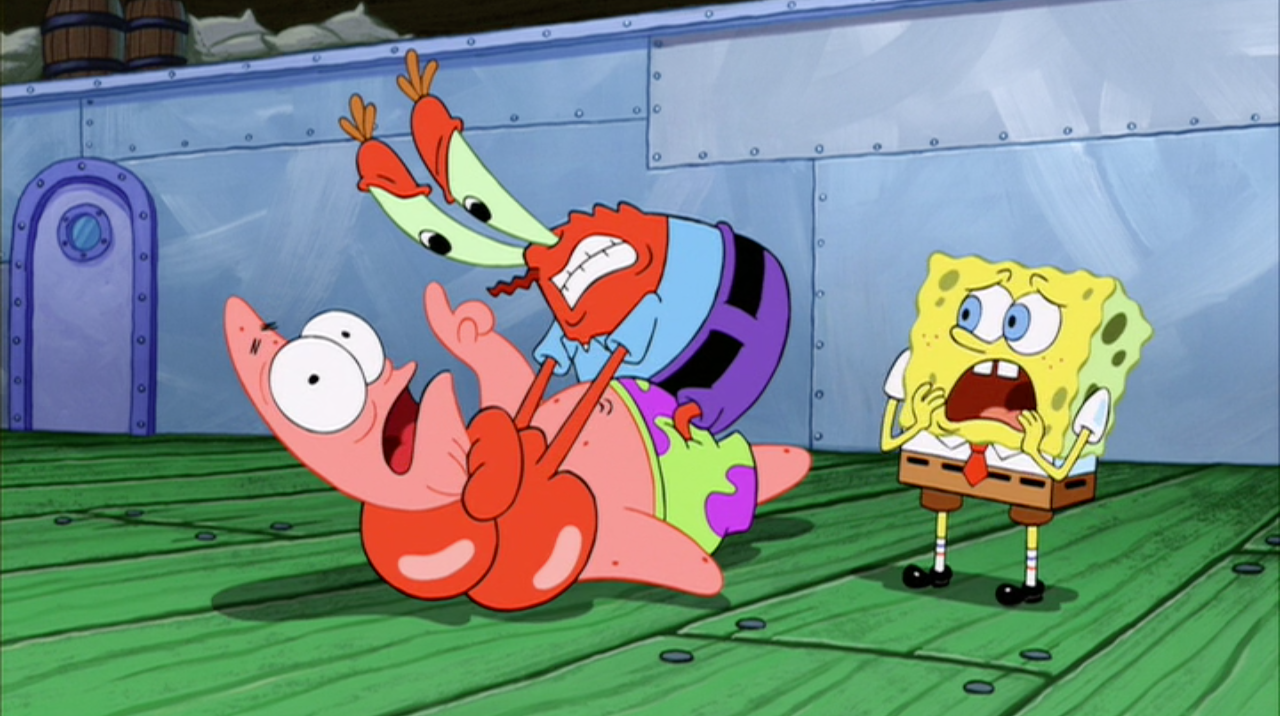
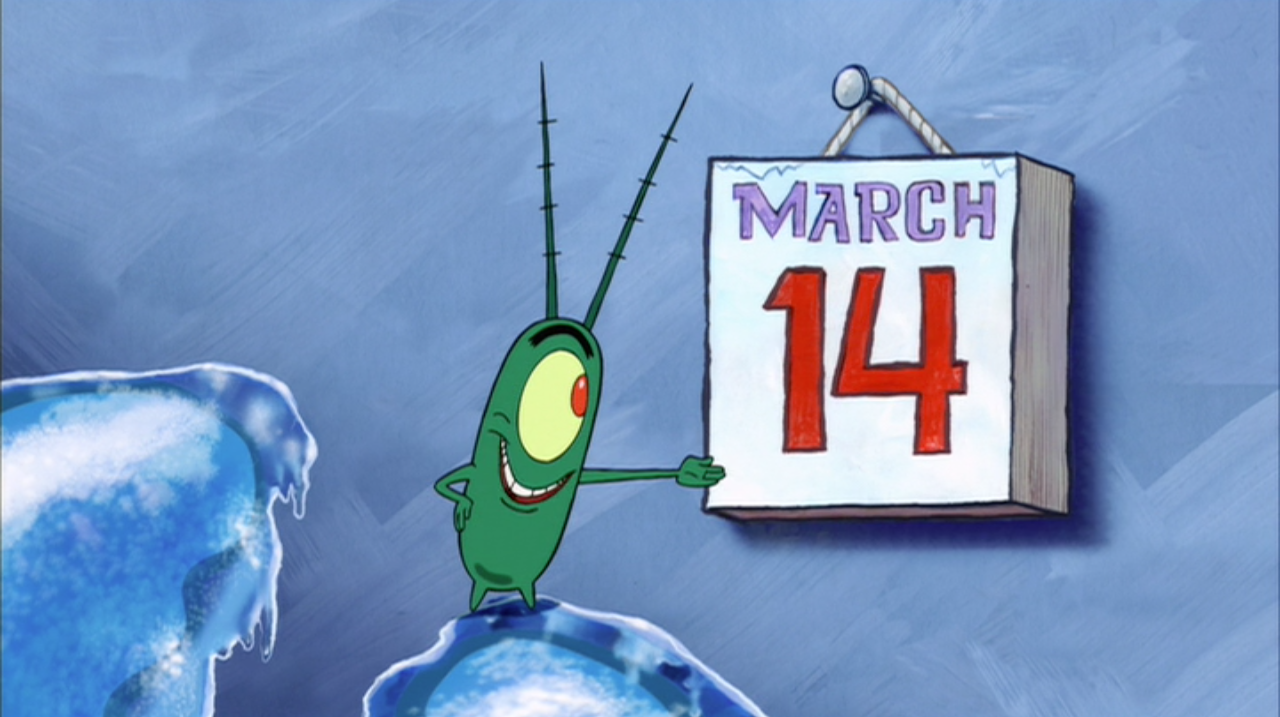
When King Neptune’s crown was stolen, Mr Krabs was framed by Plankton and Neptune was going to fry Mr Krabs. Spongebob made a deal that he would go on a quest to retrieve it. King Neptune originally gave Spongebob 10 days but Patrick negotiated it down to six, and if they failed then Mr Krabs would burn.
9. The antagonist makes the conflict personal to the protagonist.
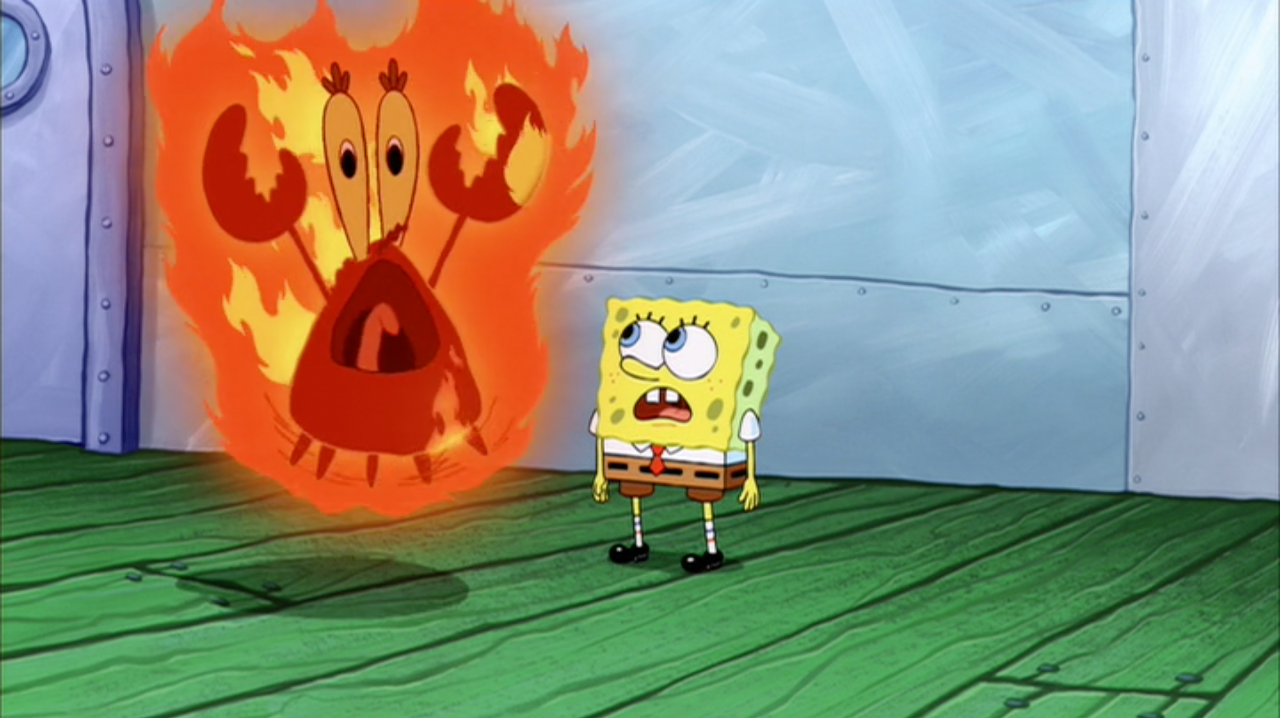
Mr Krabs is Spongebob’s boss at the Krusty Krab, so obviously Plankton made this personal when he framed Mr Krabs for stealing King Neptune’s crown.
Obligatory Scenes in a Western and how they fit in Spongebob
In this section I’m going to point out the eight obligatory scenes Ramirez lists and explain how the Spongebob movie has each one of them in it. With the obligatory scenes, they tend to be more specific and I can show exact moments in the movie where it happens, compared to the previous part where I just explained how the movie follows the conventions of the genre.
1. An inciting attack by the antagonist.
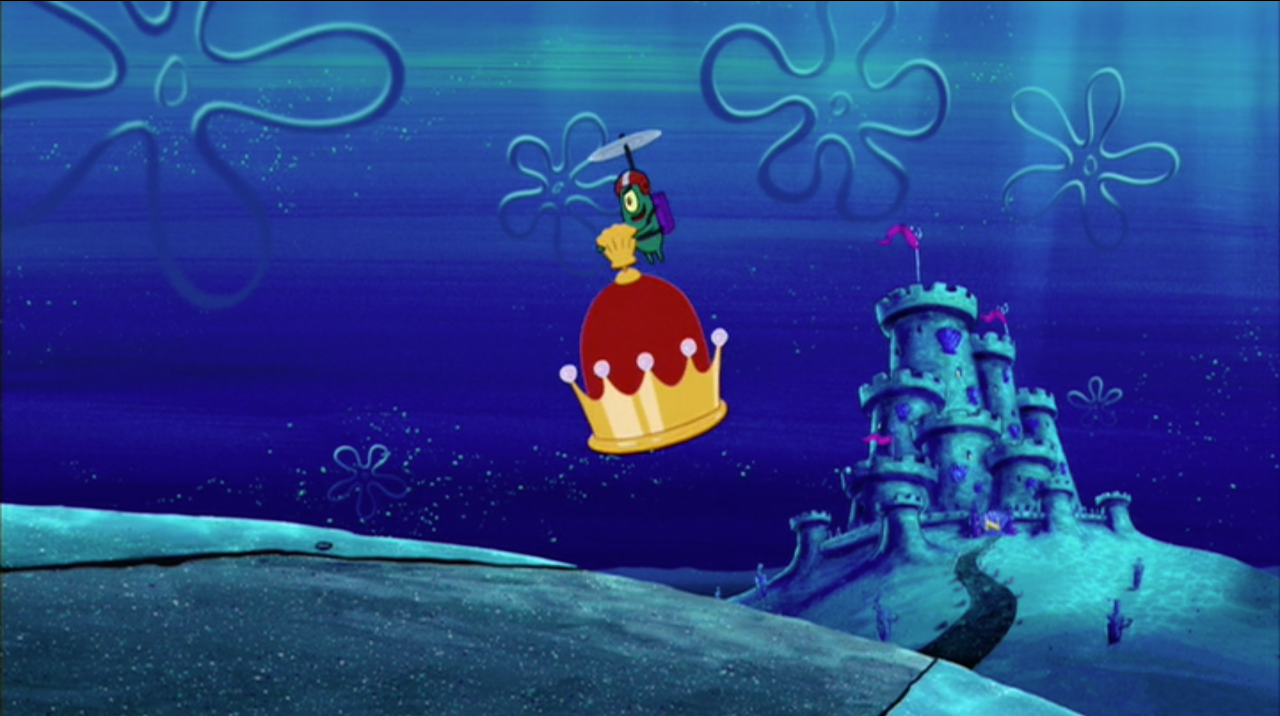
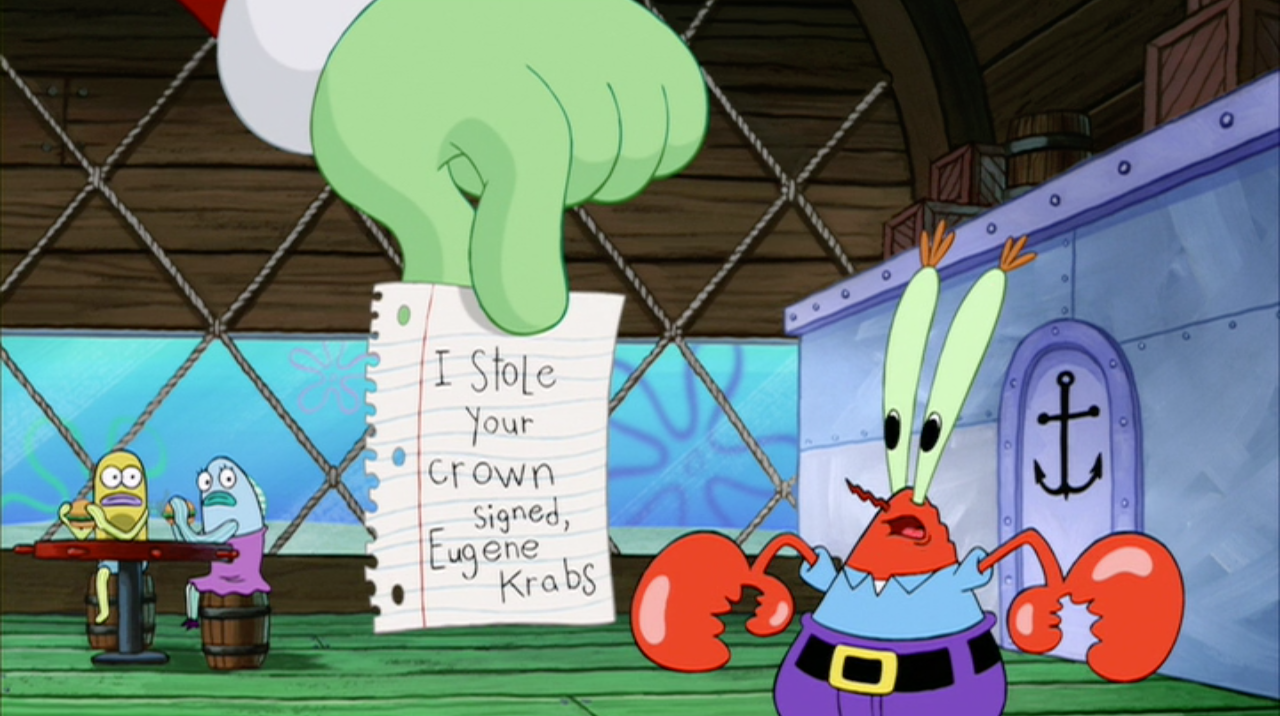
The attack by Plankton comes when he steals King Neptune’s crown and frames Mr Krabs for it. This is the thing that starts the whole quest for the crown in the first place.
2. The protagonist discovers and understands the antagonist’s object of desire.
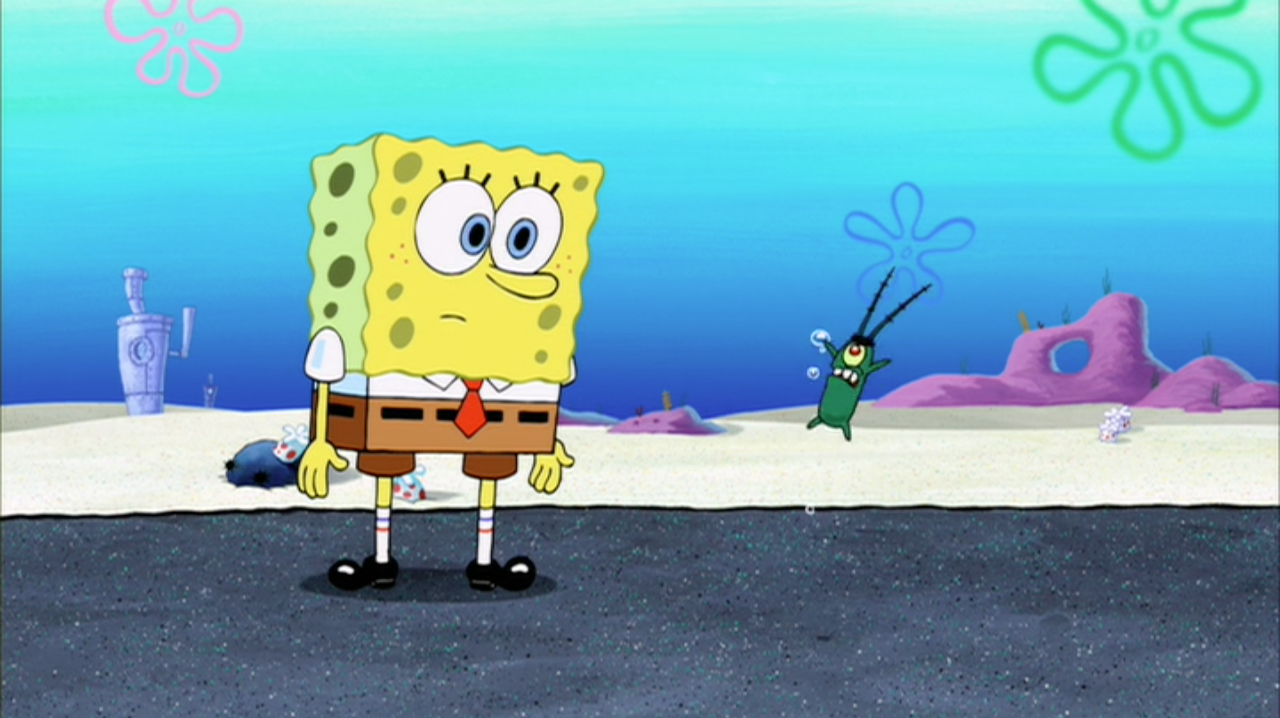
Any time Plankton is the antagonist in Spongebob media, (which is a lot of times), he wants to steal the Krabby Patty secret formula and take over the world. The second scene of the film has Plankton directly say that to Spongebob.
Plankton: [While being stepped on by SpongeBob] Ow! Ow! Ow! Ow! Ow! Ow!
SpongeBob: [Stops running] Eww, I think I stepped in something. [Tries to scrape Plankton off. Plankton yelps when SpongeBob tries to scrape him off]
Plankton: [muffled] Not in something, on someone, you twit!
SpongeBob: Oh. Sorry, Plankton. [Looks at smeared Plankton and pulls him off his shoe] Are you on your way to the grand-opening ceremony?
Plankton: No, I am not on my way over [mocks SpongeBob] to the grand-opening ceremony. [Jumps four times] I’m busy planning to rule the world! [Chuckles]
SpongeBob: Well, good luck with that. [Runs off]
3. Hero sidesteps responsibility to take action.
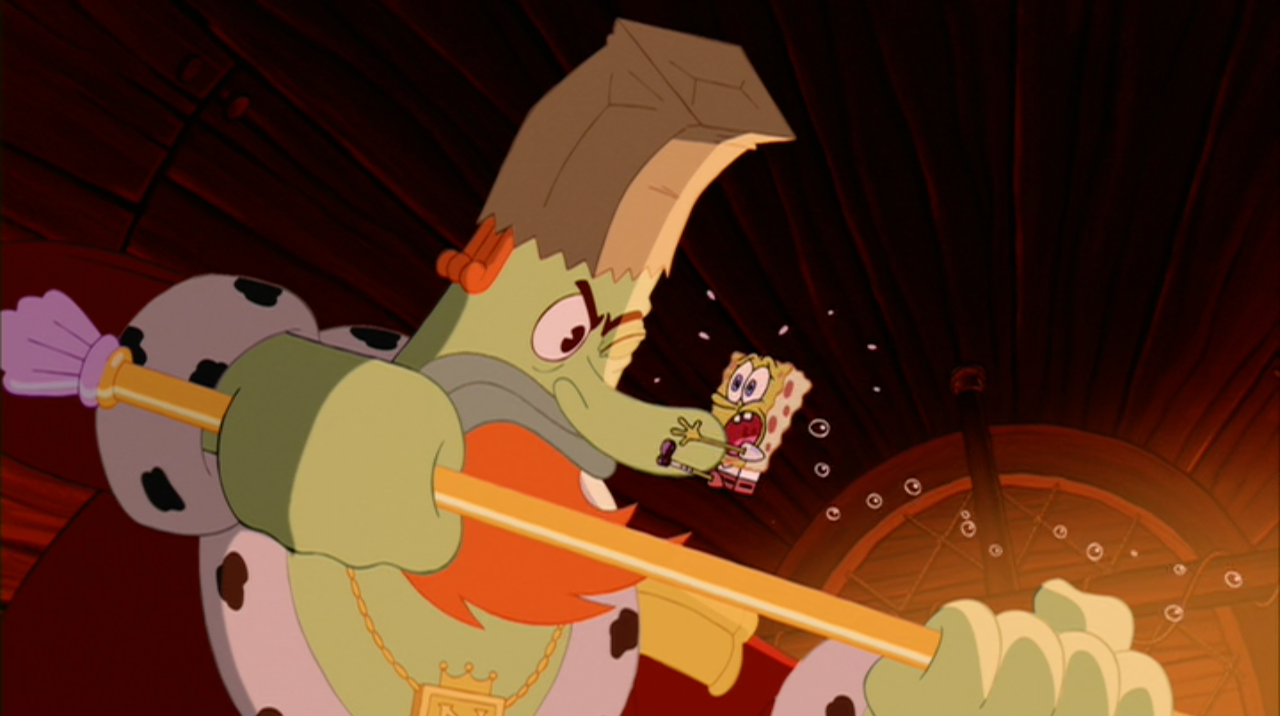

Like Ramirez states when listing this scene, this is basically taken from the Hero’s Journey way of storytelling. Spongebob goes out of his way to save his boss who thinks he’s too immature to handle anything.
4. Forced out of their status-quo, the protagonist lashes out.
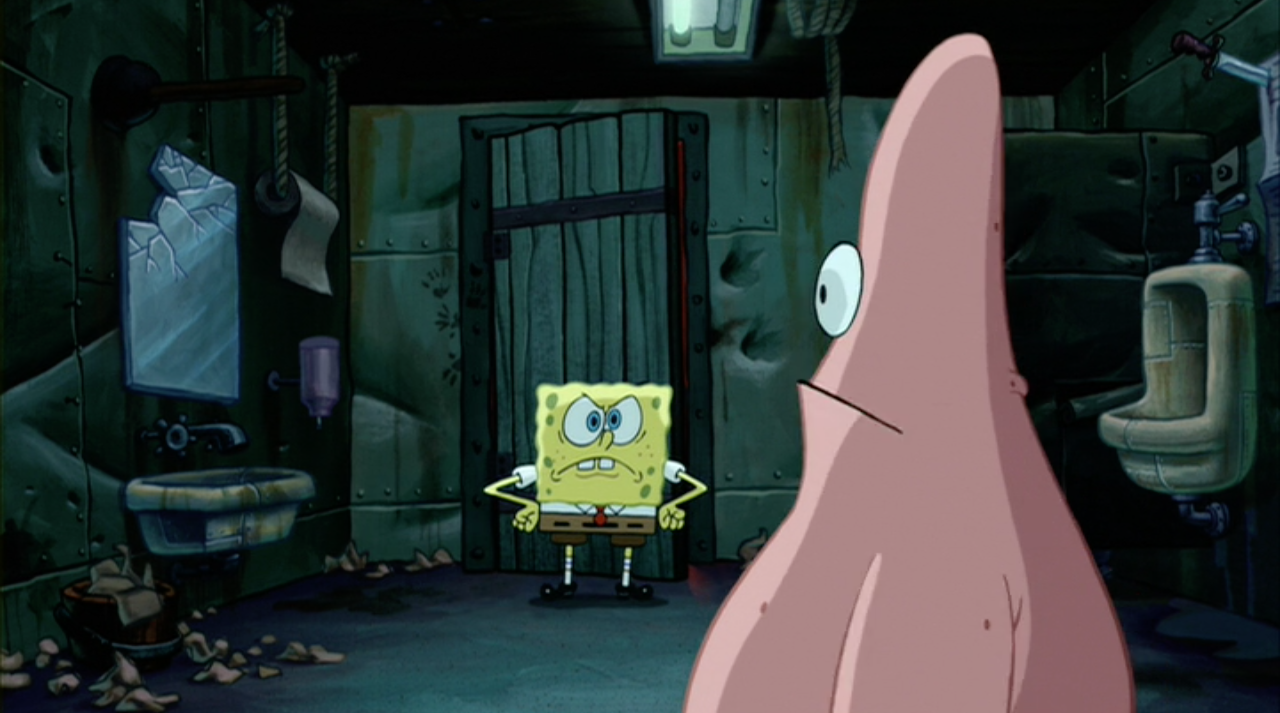
Spongebob hasn’t really been beyond Bikini Bottom before the events of this movie, so when he had to go get the car back from a really tough guy, he decided not to confront him and instead get a distraction from Patrick. That failed and Spongebob briefly argues with him.
The lashing out in this film isn’t very severe I don’t think, however it does show that Spongebob is out of his element in this tough guy bar.
5. The protagonist’s initial strategy to outmaneuver the antagonist fails.
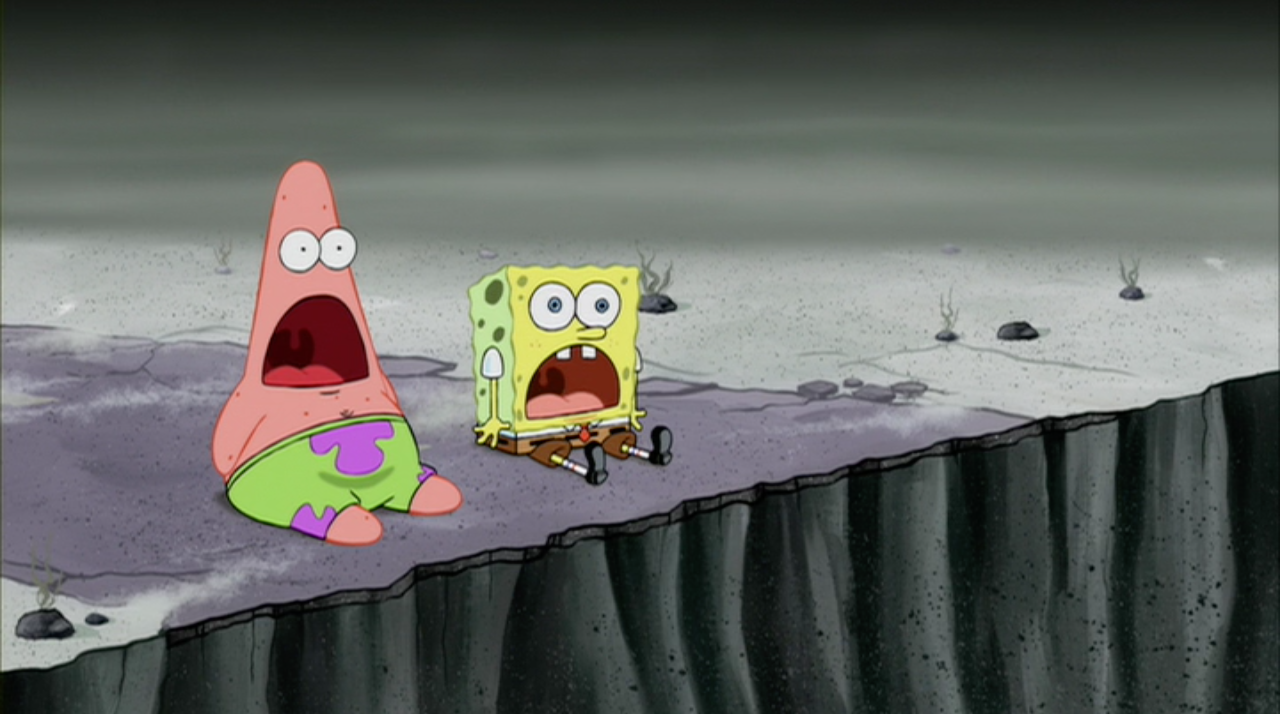
The car is gone for the final time in the film. Driven off a cliff, eating by a large frogfish, and the frogfish was eaten by an even larger eel-looking creature. At this point their plan to get to Shell City has failed because there’s no way to get to the other side of the cliff.
6. The protagonist reaches an “All Is Lost” moment and realizes they must change their approach to salvage some form of victory.

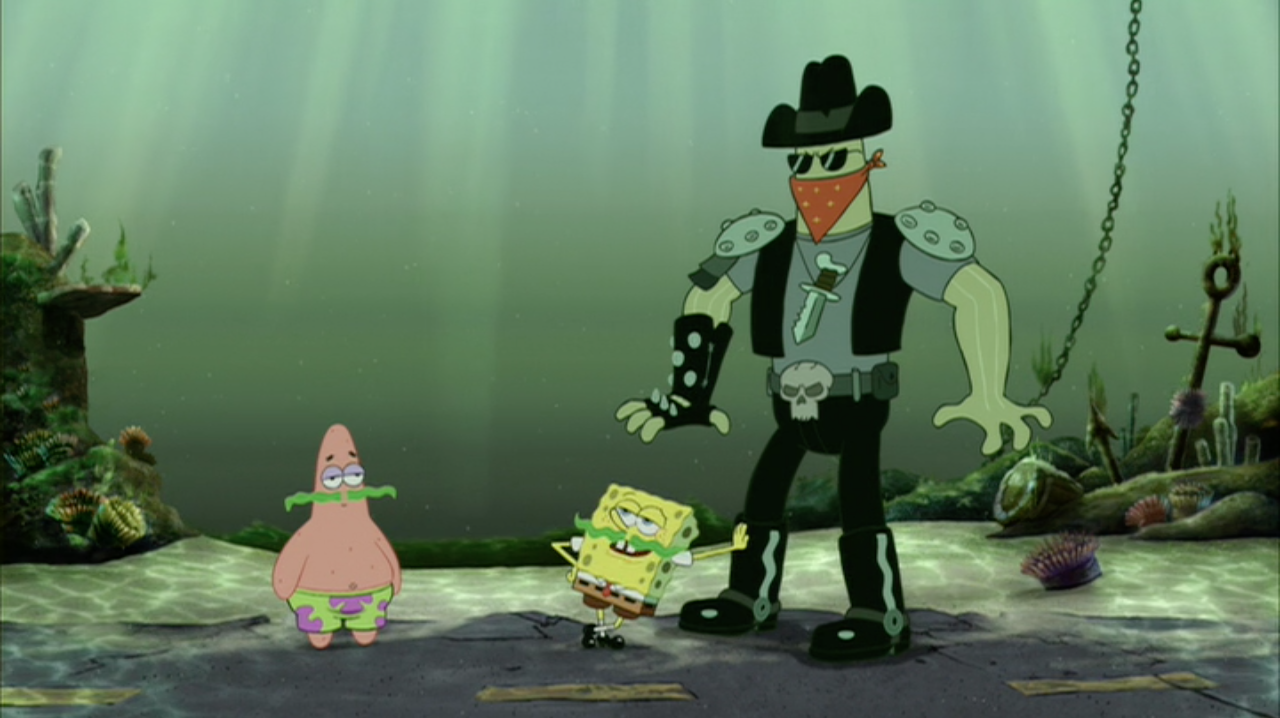
After losing their car and having no hope to get to Shell City and save Mr Krabs, Mindy the Mermaid turns Spongebob and Patrick into men (gave them fake mustaches) so they could brave the rest of the way to Shell City past all the monsters at the bottom of the trench. They changed their approach of doing things: to be men instead of kids, and not be bothered by anything, and by doing that they did make it across the trench.
7. The protagonist expresses their gift at the climactic moment of “Hero at the Mercy of the Villain.”

With traditional Western films, the protagonist’s “gift” is something like they are very skilled in a shootout. There’s no shootouts in Spongebob so his gift is a little bit different. He admits that he’s a kid, and that’s okay. He’s fine with all the names people called him because he’s proud of who he is and being a Goofy Goober, and when he performs his song at the end, his rock and roll guitar ends up saving everyone.
8. The protagonist’s sacrifice is rewarded.
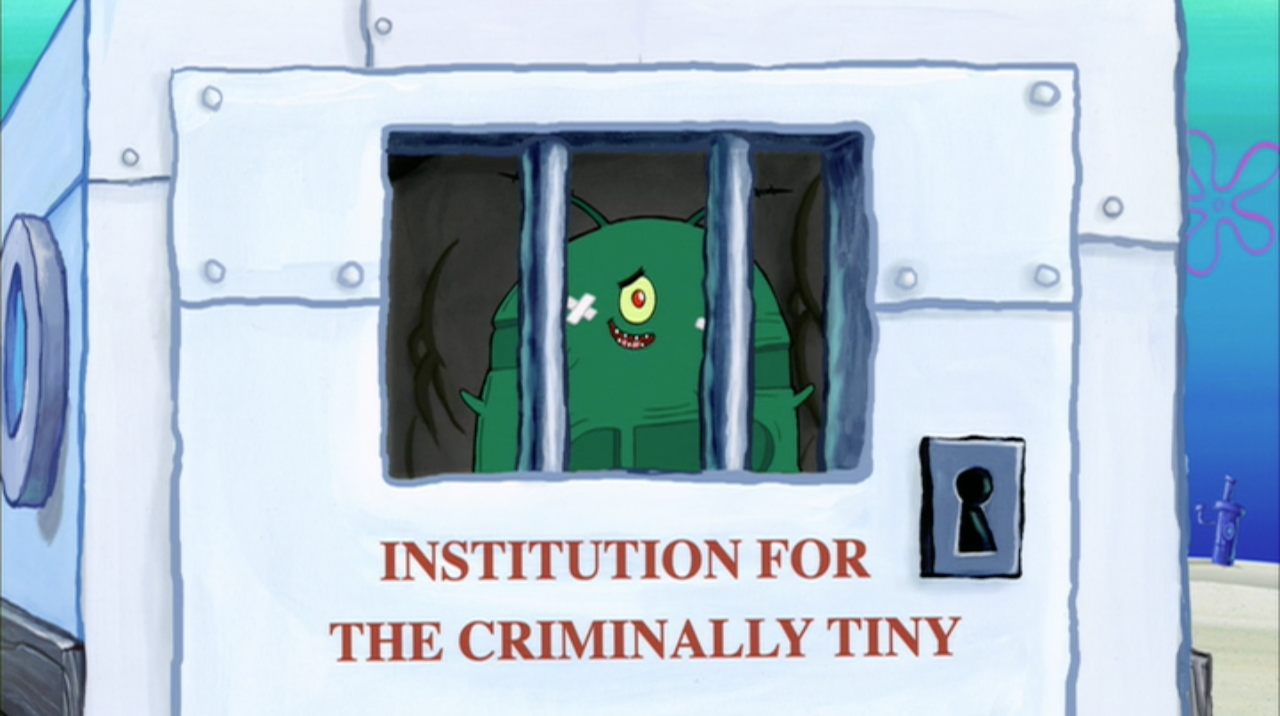
Plankton is stopped and Mr Krabs is saved thanks to Spongebob risking his life for the crown. On top of that, he was also gifted the manager position he deeply desired at the beginning of the film.
Screenshots that look like a Western film
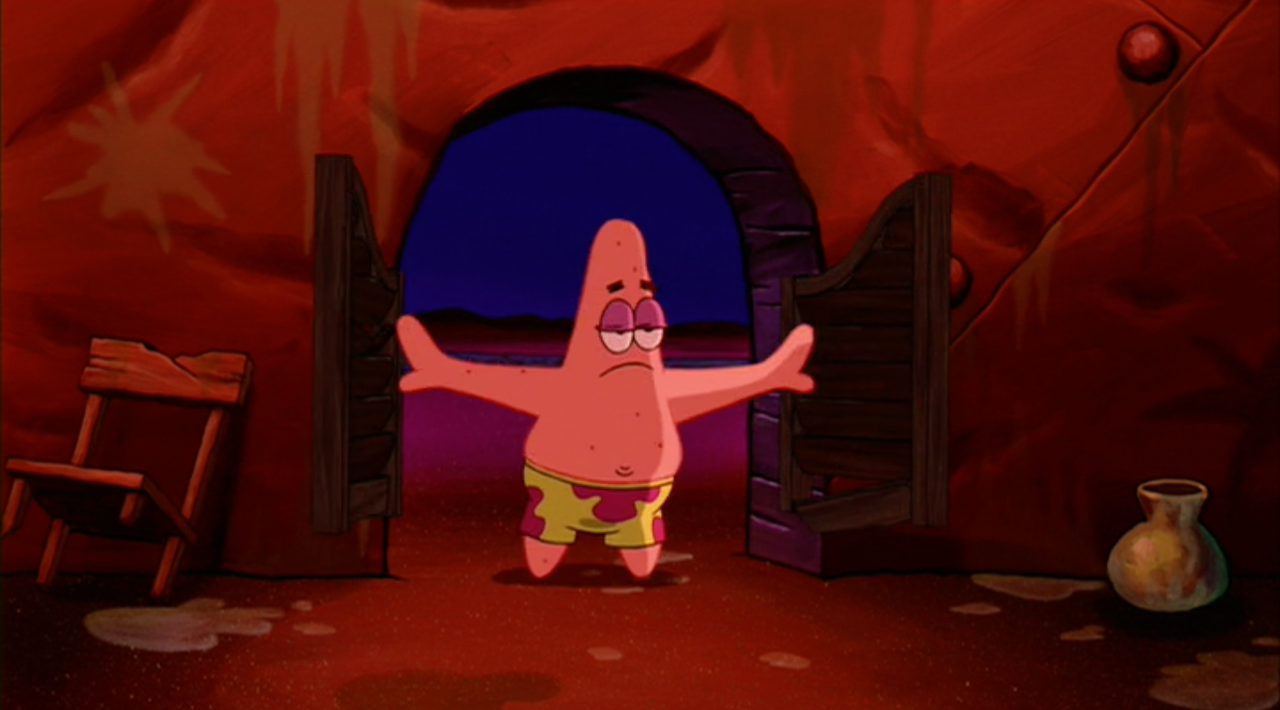
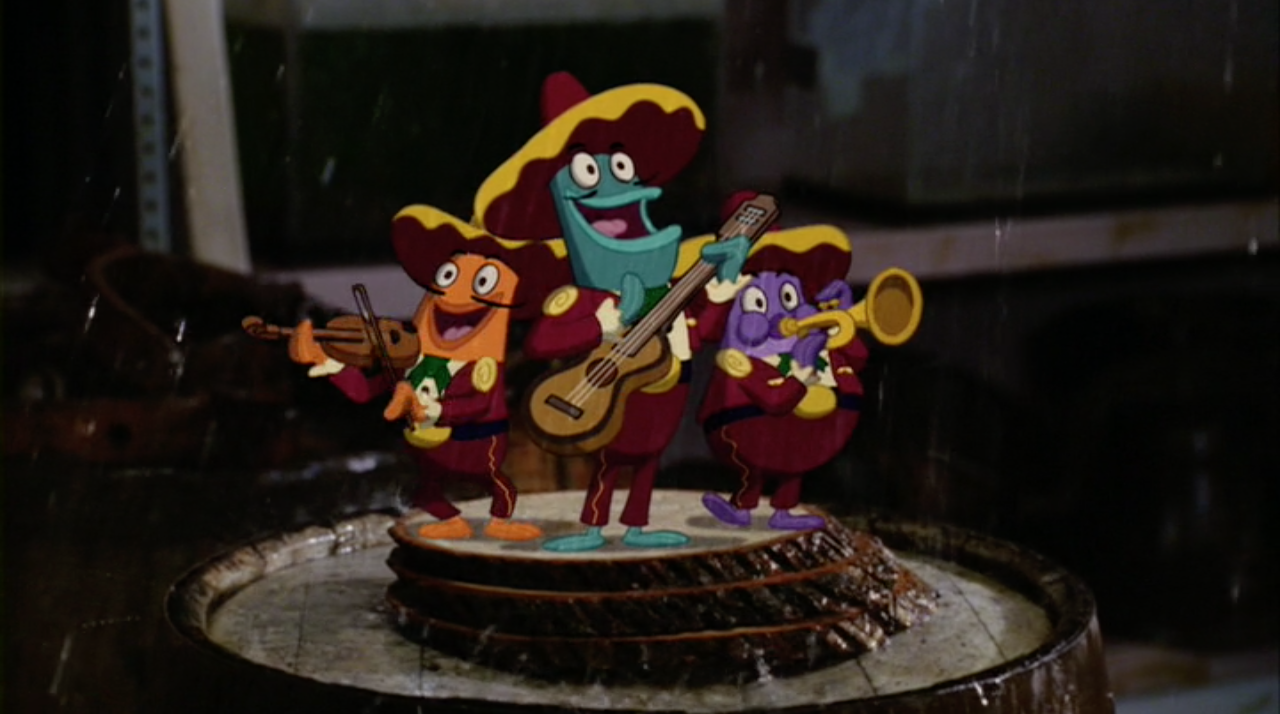
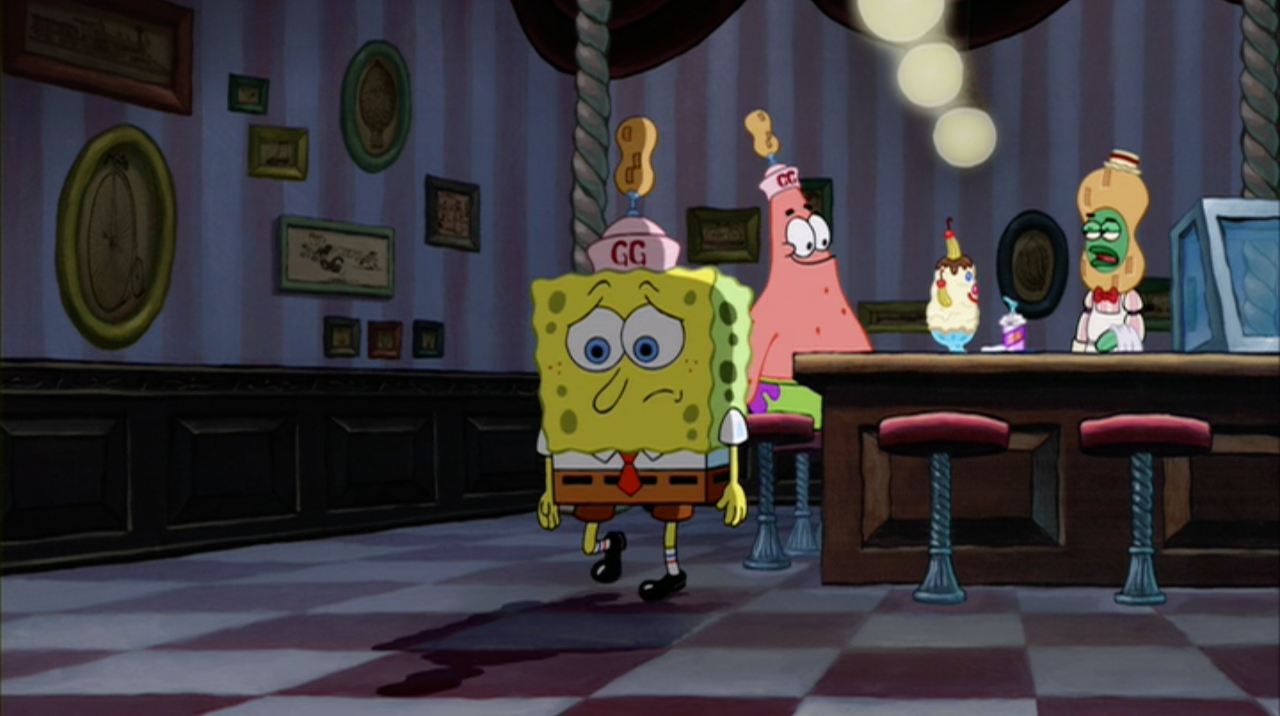
The following section is just going to be a slideshow of images in no particular order that I think capture that Western feel, and further prove my point that this movie is a Western. They don’t exactly fit in any of the required scenes or conventions listed, but the appearance of them suggest to me that it’s related to the Western genre.



Hopefully at the end of this I’ve been able to convince you that the 2004 Spongebob Squarepants Movie is a part of the Western genre. The Western genre is definitely not gone even though there isn’t much media made about traditional cowboys anymore. Like other genres, the Western has been able to evolve through time and still become relevant today.
There is certainly modern Western media today, from the more obvious Westworld, to the more reality-driven Western of Breaking Bad, and Star Wars even goes west with The Mandalorian. When I was taught about different genres in film, we basically skipped the Western, basically being told that it was a lone genre, a product of its time and can only be placed in the American Old West. However I don’t think that’s the case anymore. Even if people don’t notice it at first, the genres stay and evolve with the culture.
 Kristopher K. Online